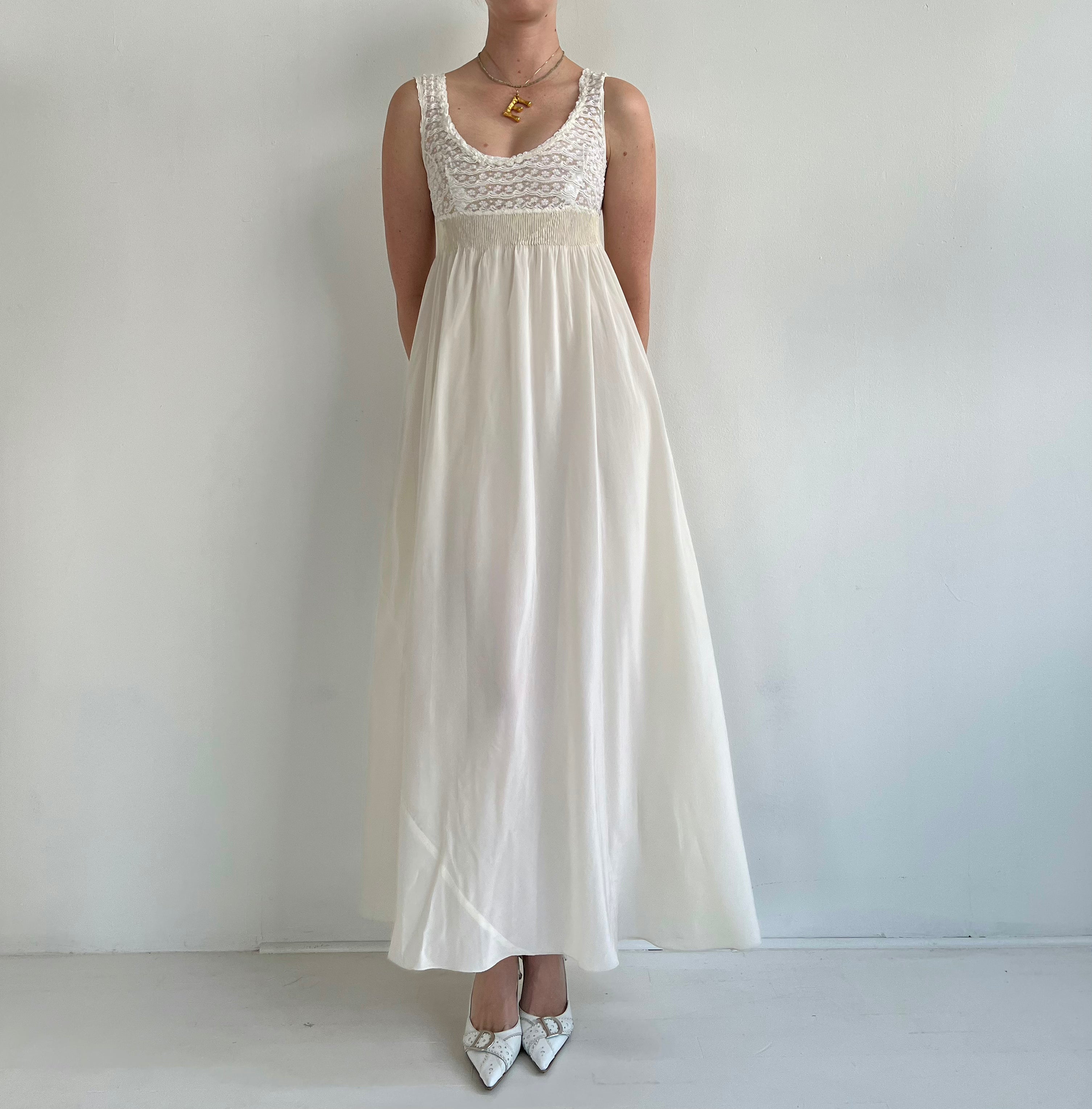
One size fits most (S-XXL, sizes 4-18)
But designers frequently do, in fact, dig into fashion archives and trot out silhouettes, prints, and entire garments that would've looked dated a few years ago, perfectly normal a few decades ago, but are now trendy (yet again)
From the 1870s onwards, the dirndl developed as a typical "country" dress amongst the wealthy patrons of the summer resort towns in Austria and Bavaria
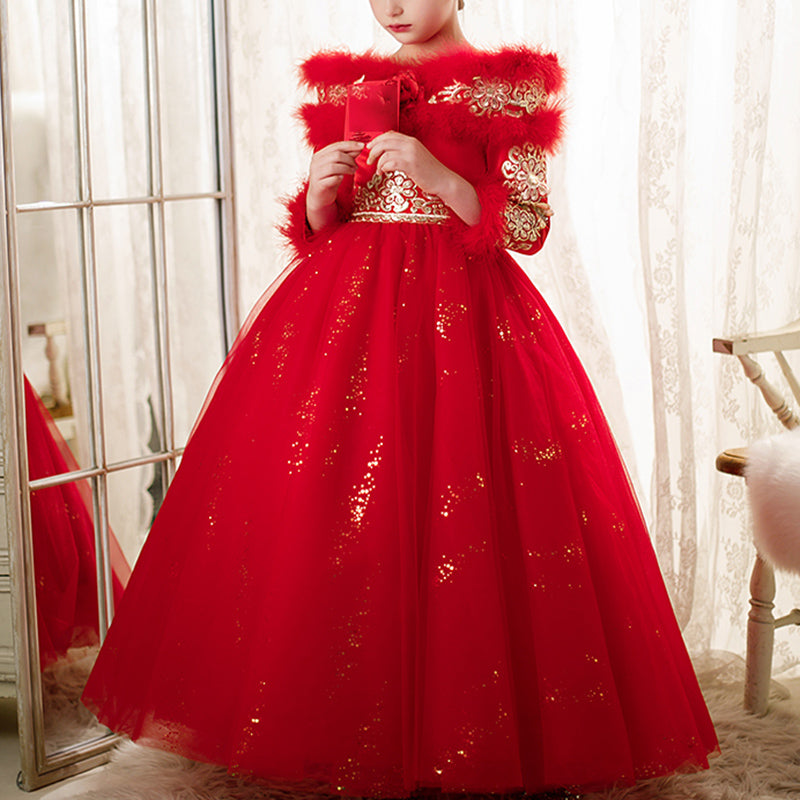
Crystal embellishments, hand-applied beadwork, embroidered lace, dimensional floral appliqus, and sculptural draping introduce texture without overwhelming the silhouette
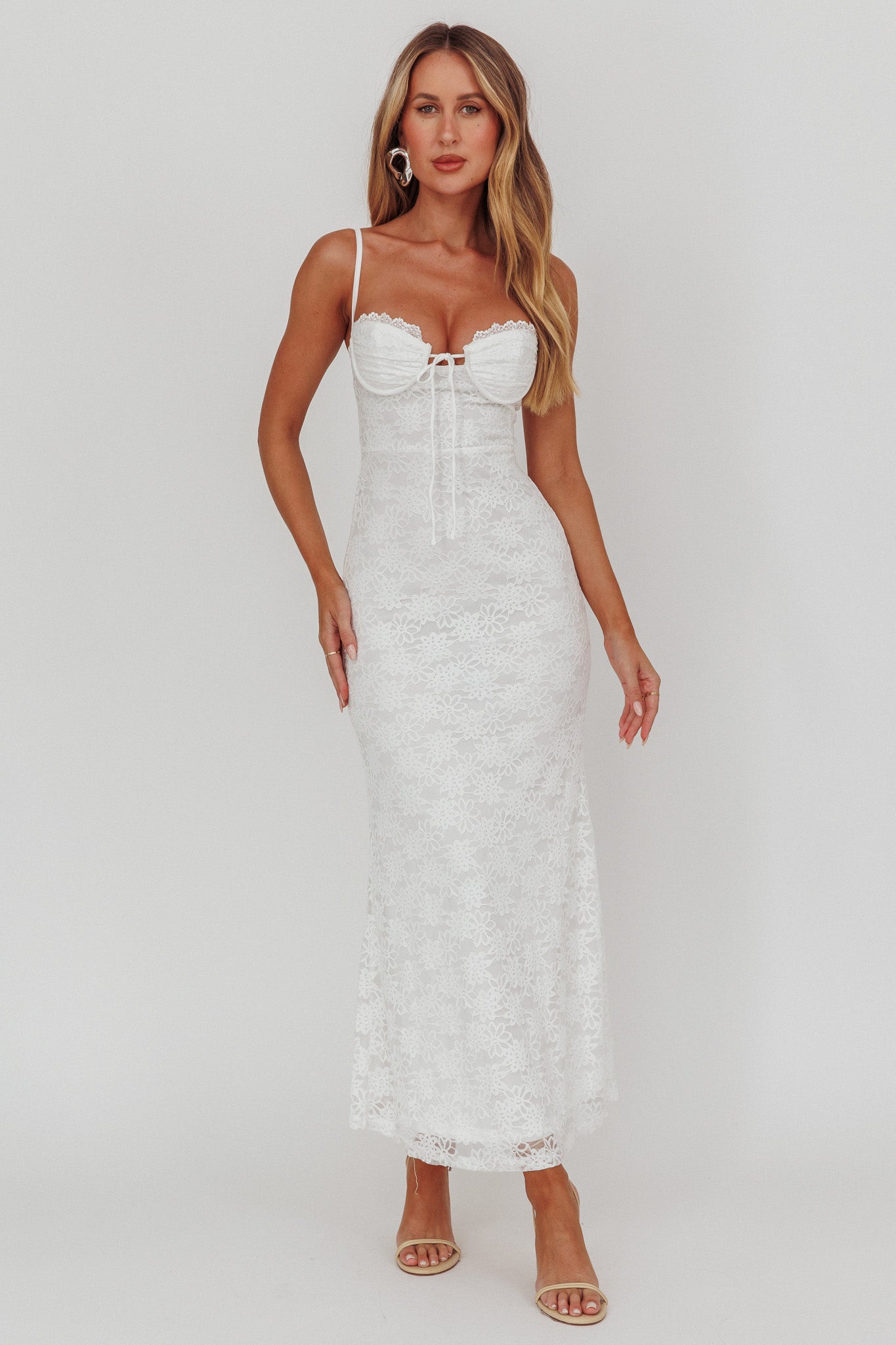
Plus, it's beautifully wedding-ready with an interesting asymmetrical detail and side slit for ease of movement
These stunning dresses appear to be traditional furisode long-sleeved kimono that have been modified by folding down the sleeves and turning the obi into the bodice of the dress