black pepper, tsp garlic powder Pour the dressing over the cabbage mixture and toss gently to combine all ingredients
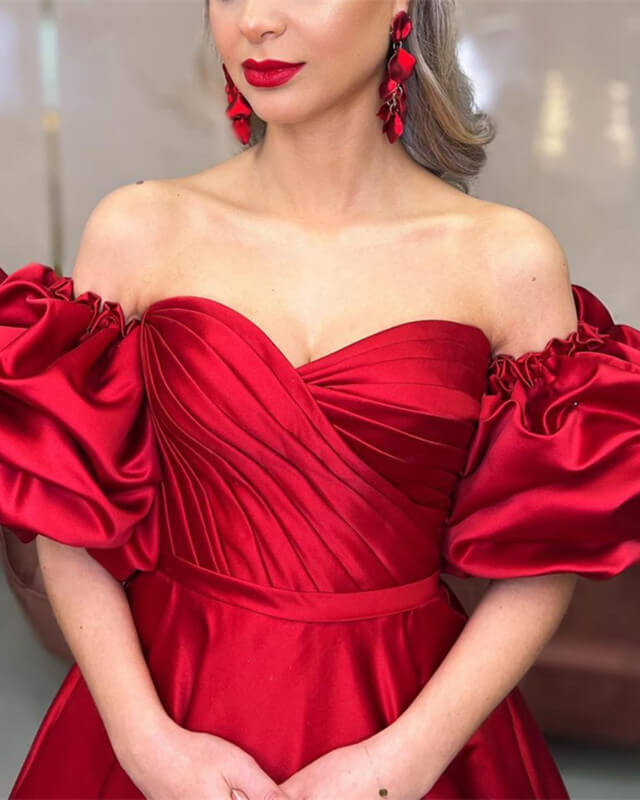
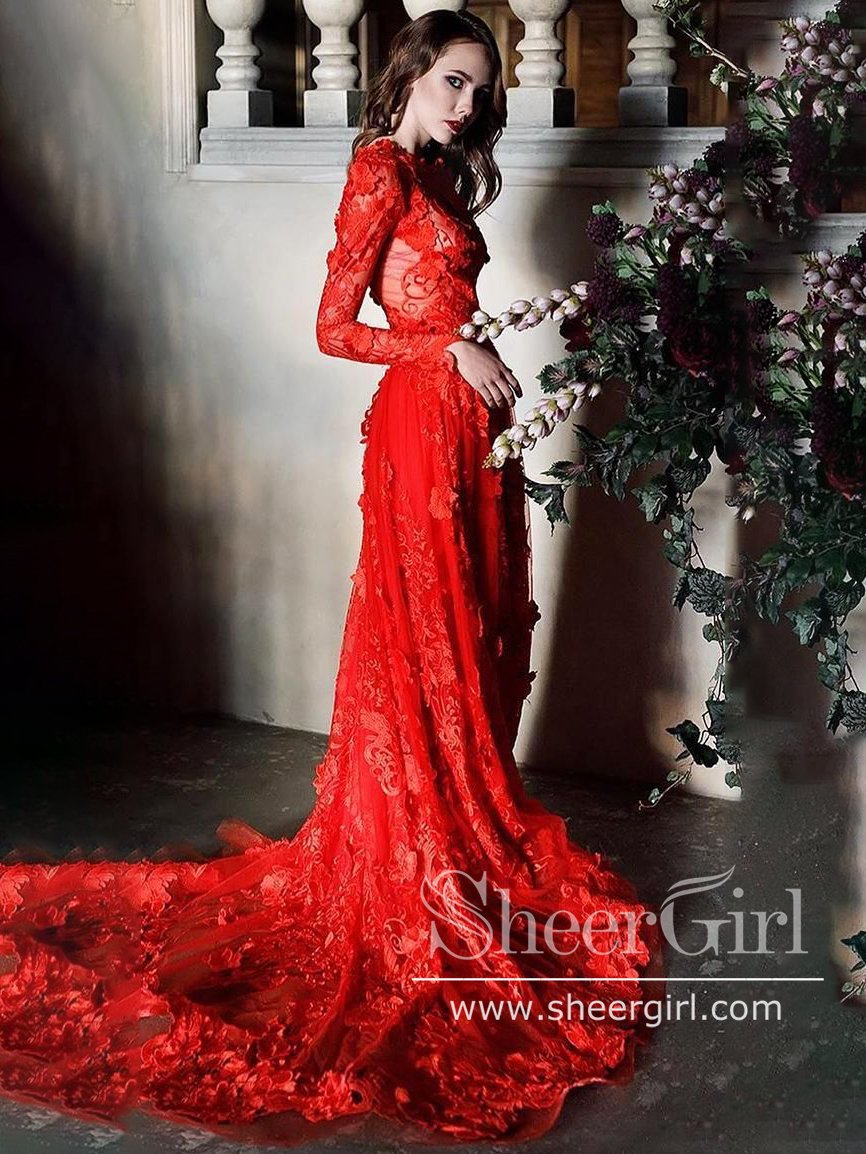
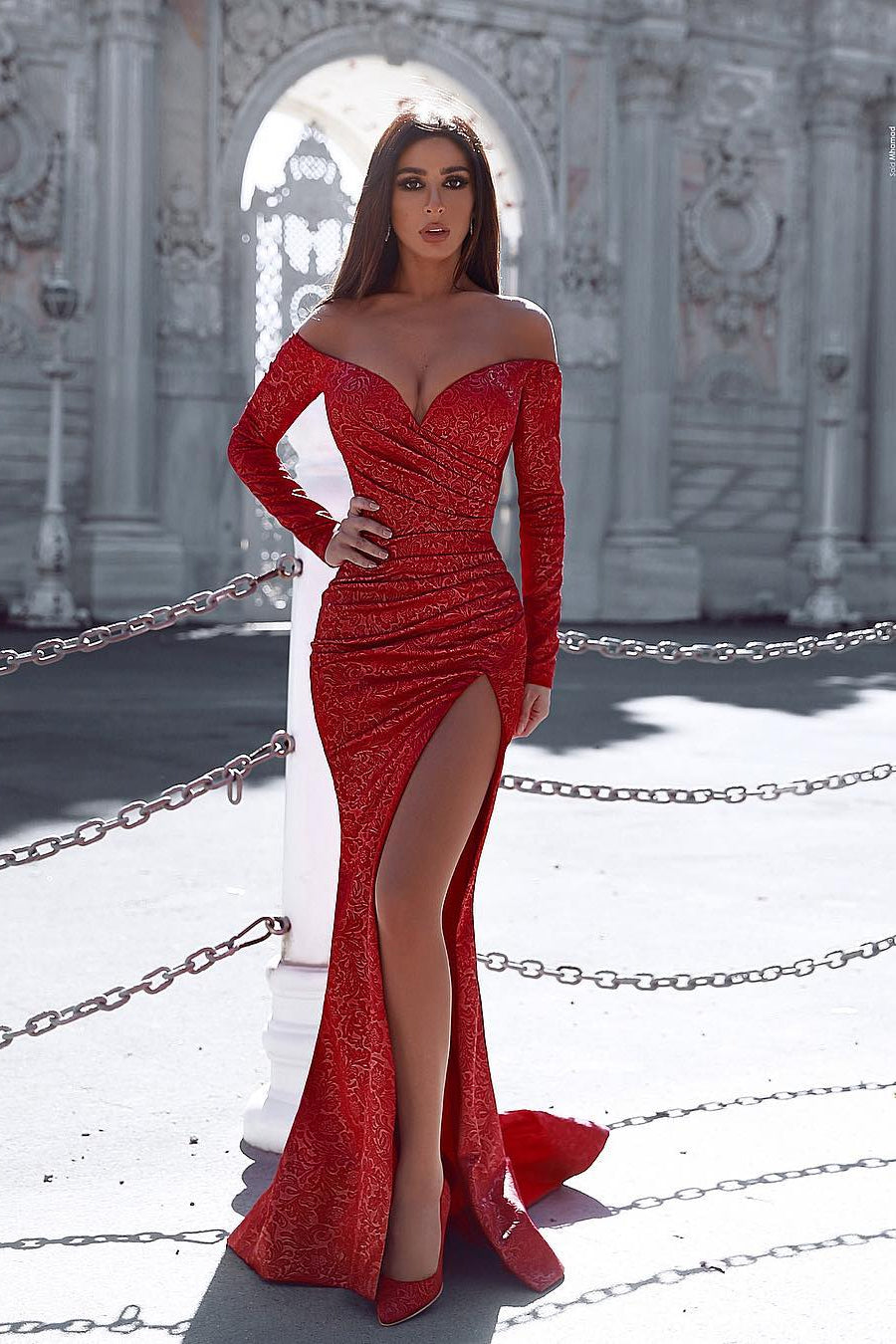
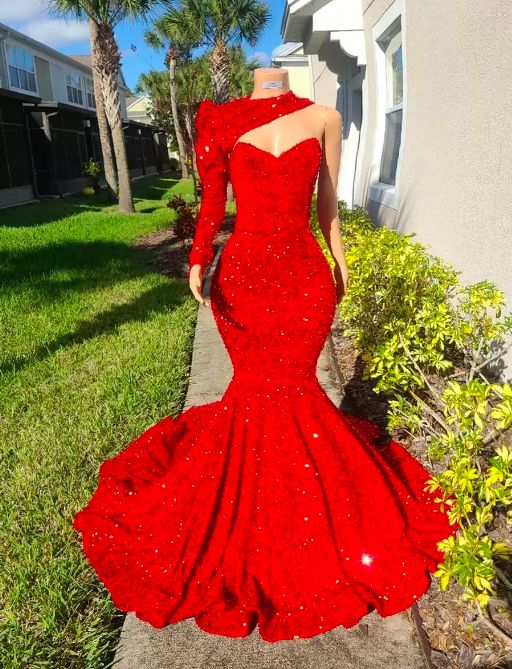
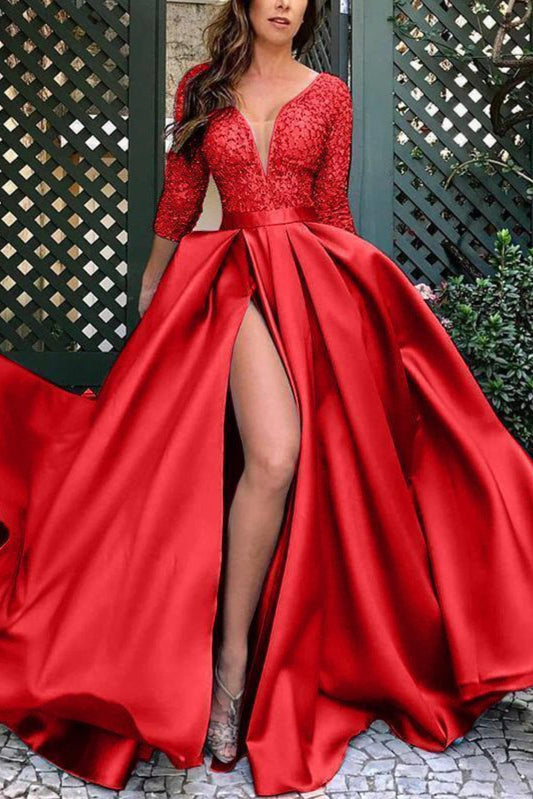
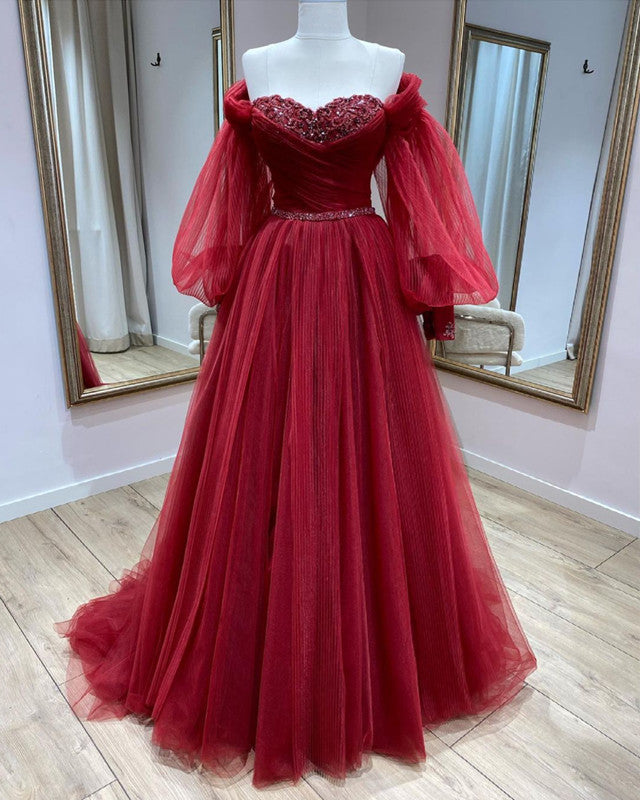
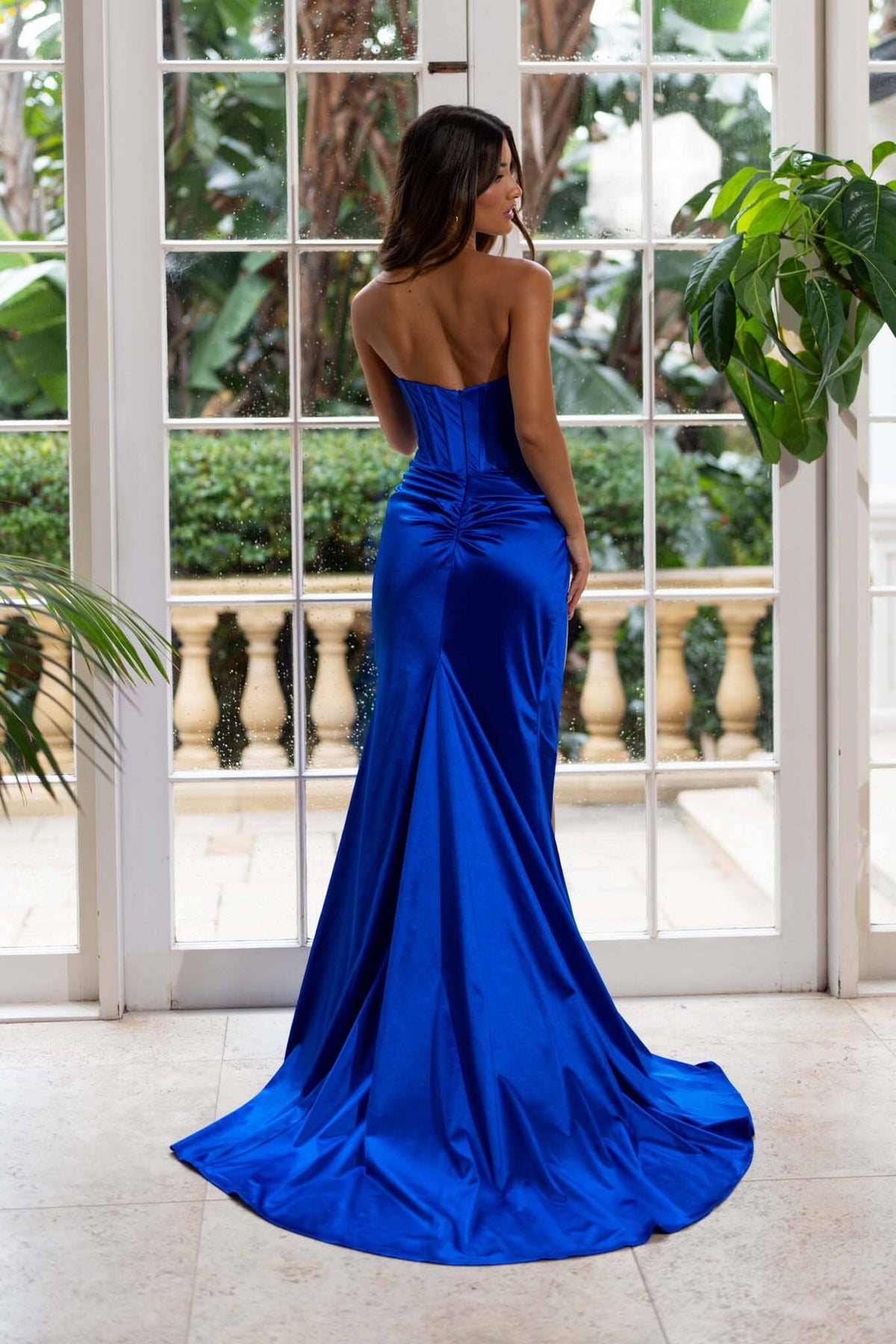
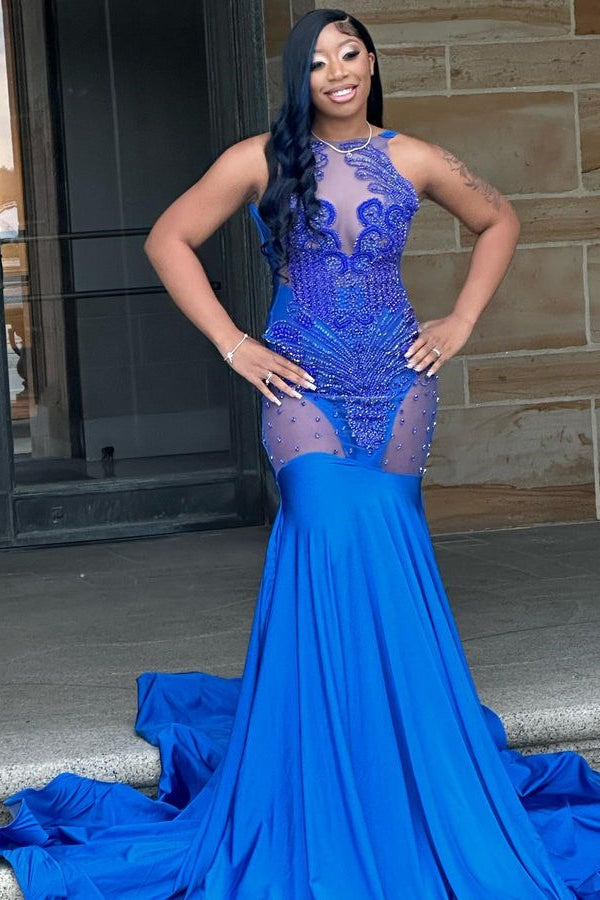
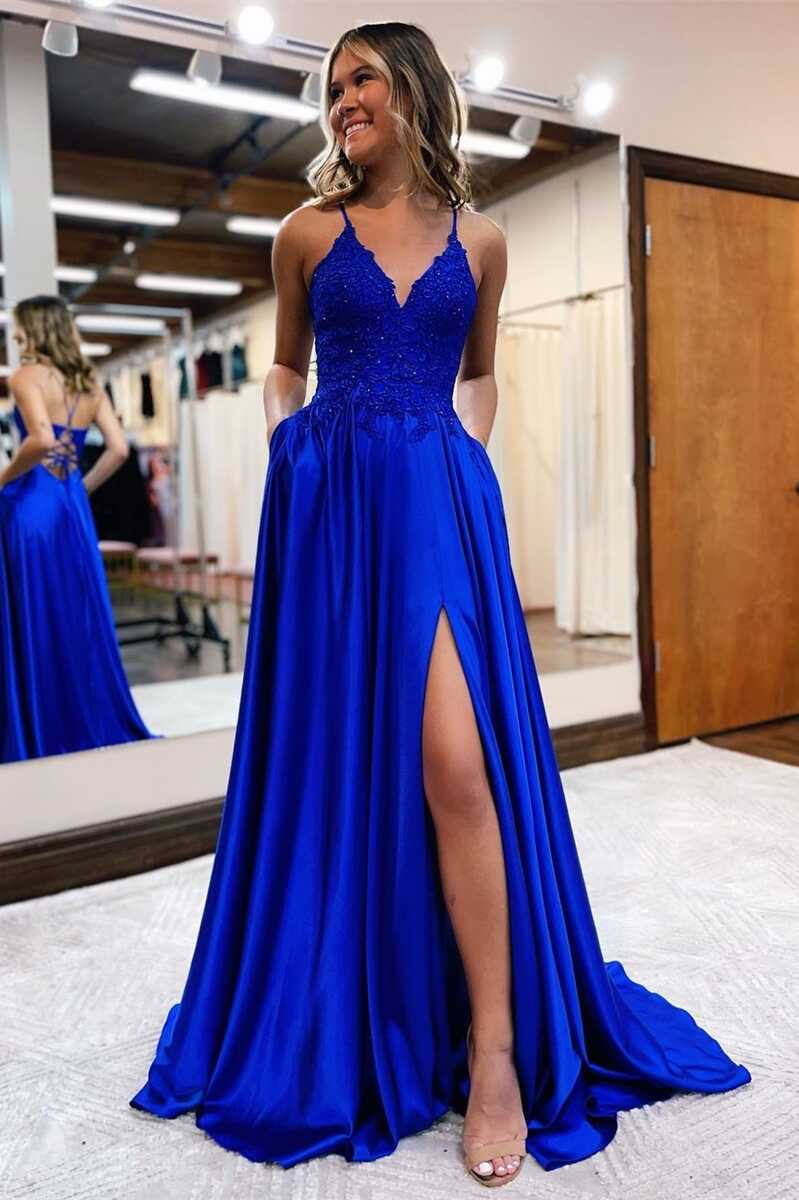
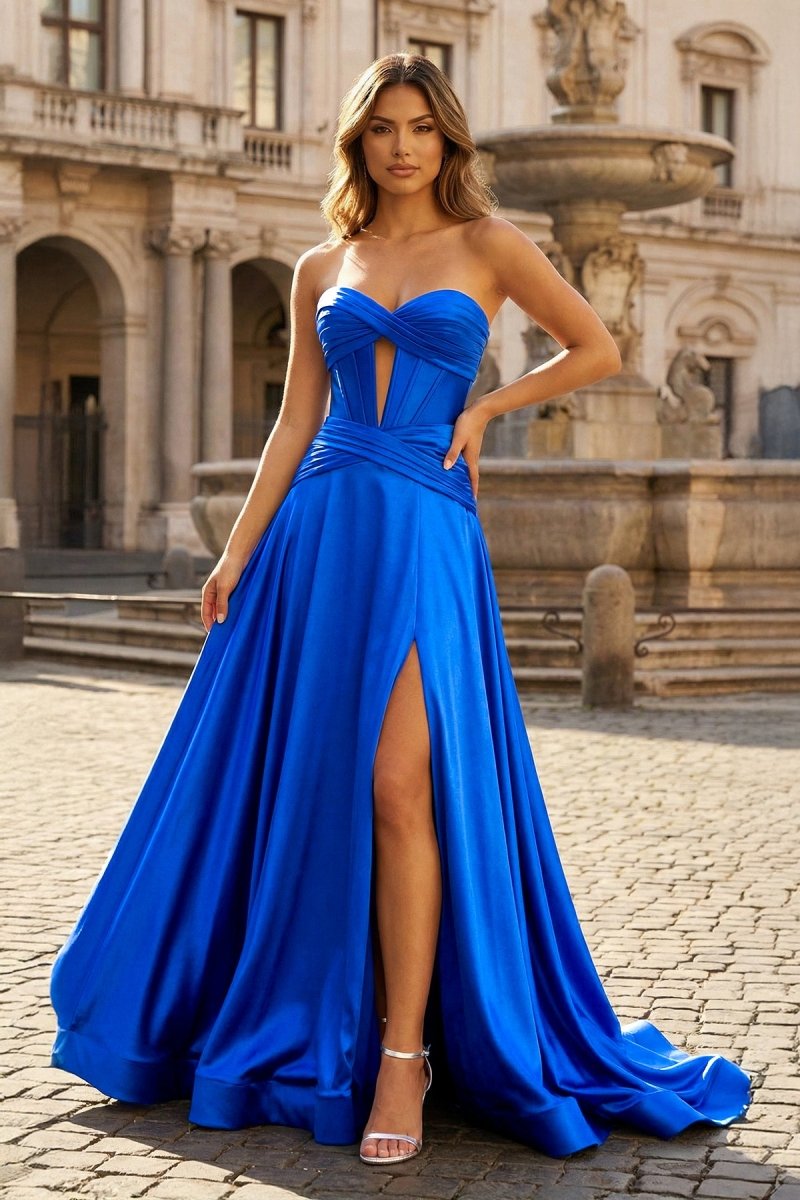
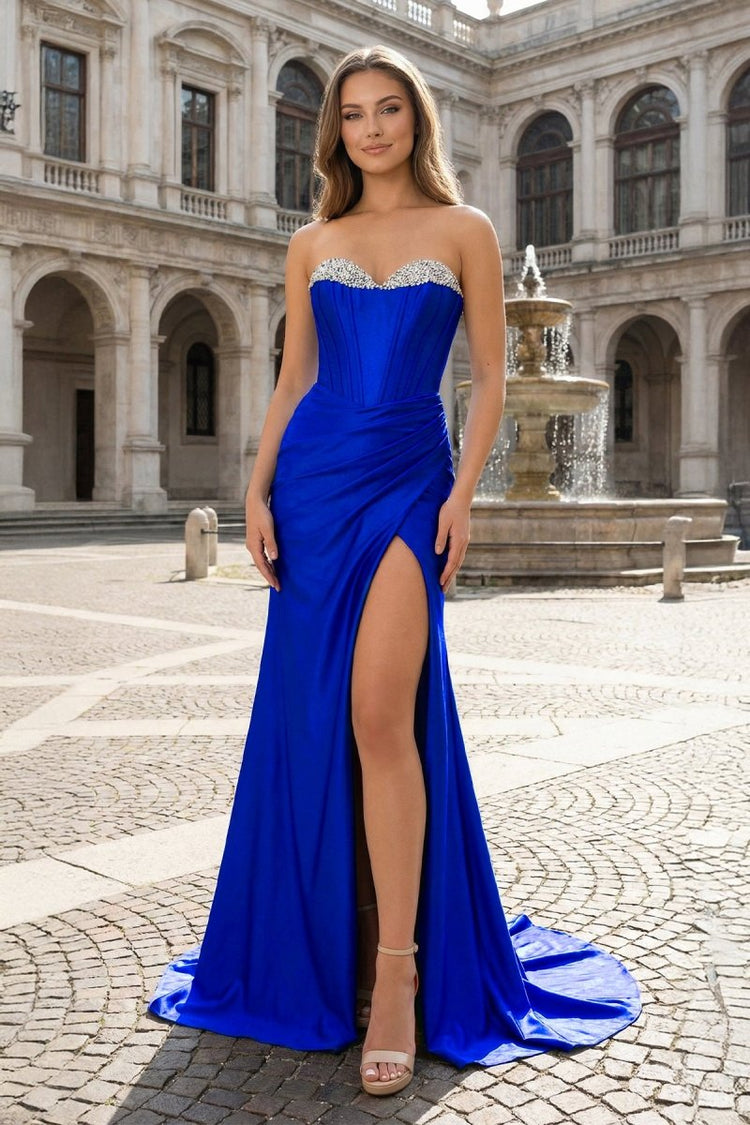
Common materials include: Silk and satin for their lustrous finish and elegant drape Chiffon for flowing, romantic movement Velvet for rich texture and wintertime sophistication Taffeta for structured, voluminous silhouettes Sequined and beaded fabrics for added glamour and sparkle Design Elements Formal dresses often feature intricate details that elevate their sophistication: Elaborate embellishments like beading, sequins, or embroidery Structured bodices with boning or corsetry Dramatic trains or flowing skirts Elegant necklines such as sweetheart, halter, or high neck designs Statement backs with illusion panels, keyhole cutouts, or dramatic open backs When to Wear Formal Dresses Formal attire is appropriate for: Black-tie weddings and galas Military balls and formal ceremonies Opera and theater opening nights Charity fundraisers and high-profile events Prom and formal school dances Award ceremonies and formal banquets Decoding Semi-Formal Dress Codes Semi-formal attire strikes a balance between casual elegance and formal sophistication

White Dress Shirt with Jeans Who says white dress shirts are only for dress pants
This will come down to where you are going, what you are doing, and what makes you feel most confident
Start with a base layer like a cotton tee shirt or long-sleeve top
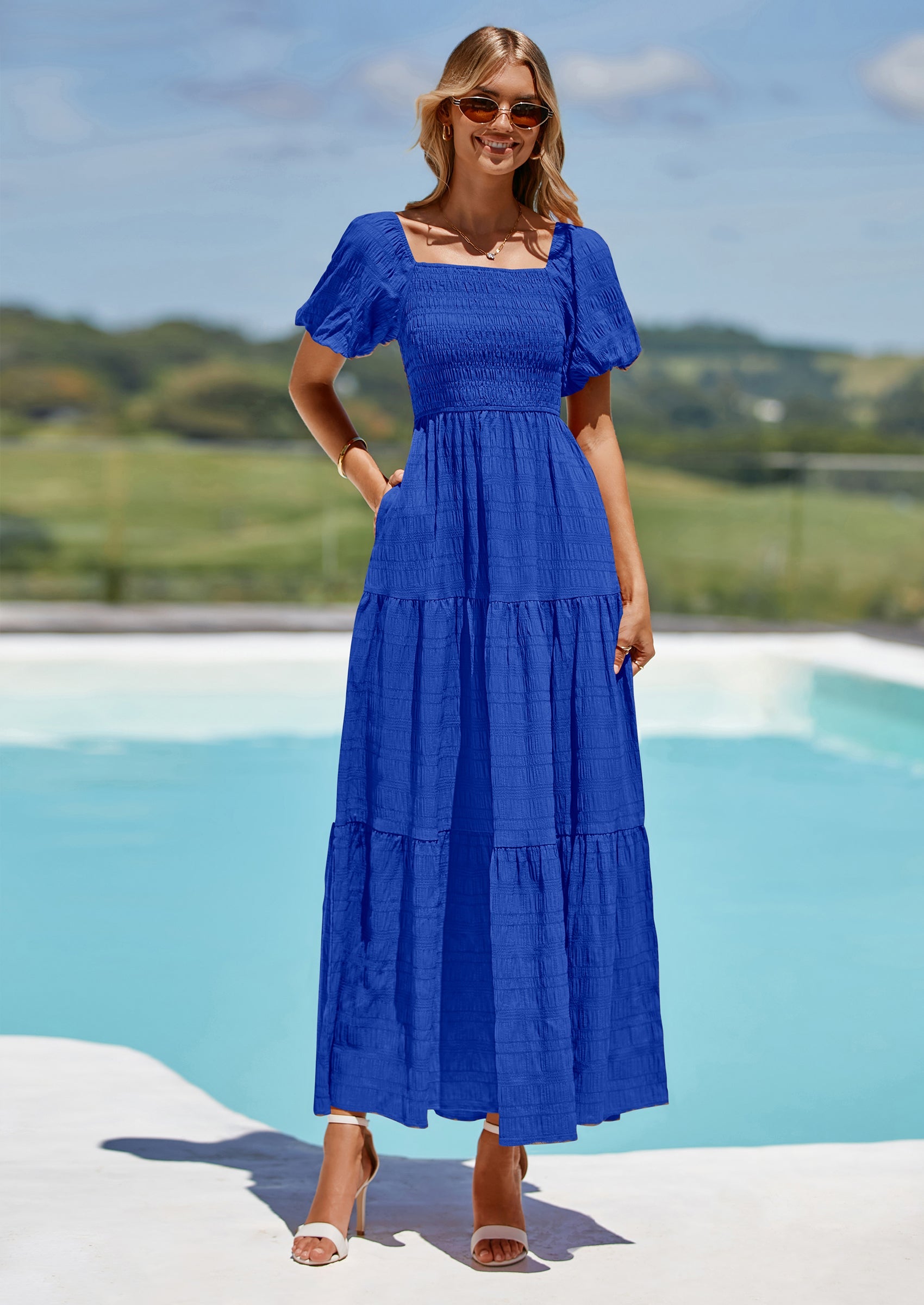
The dress is beautiful, but unfortunately for me too big in the bust